

Working as One Team: How Our Business Analysts Bridge Vision and Delivery

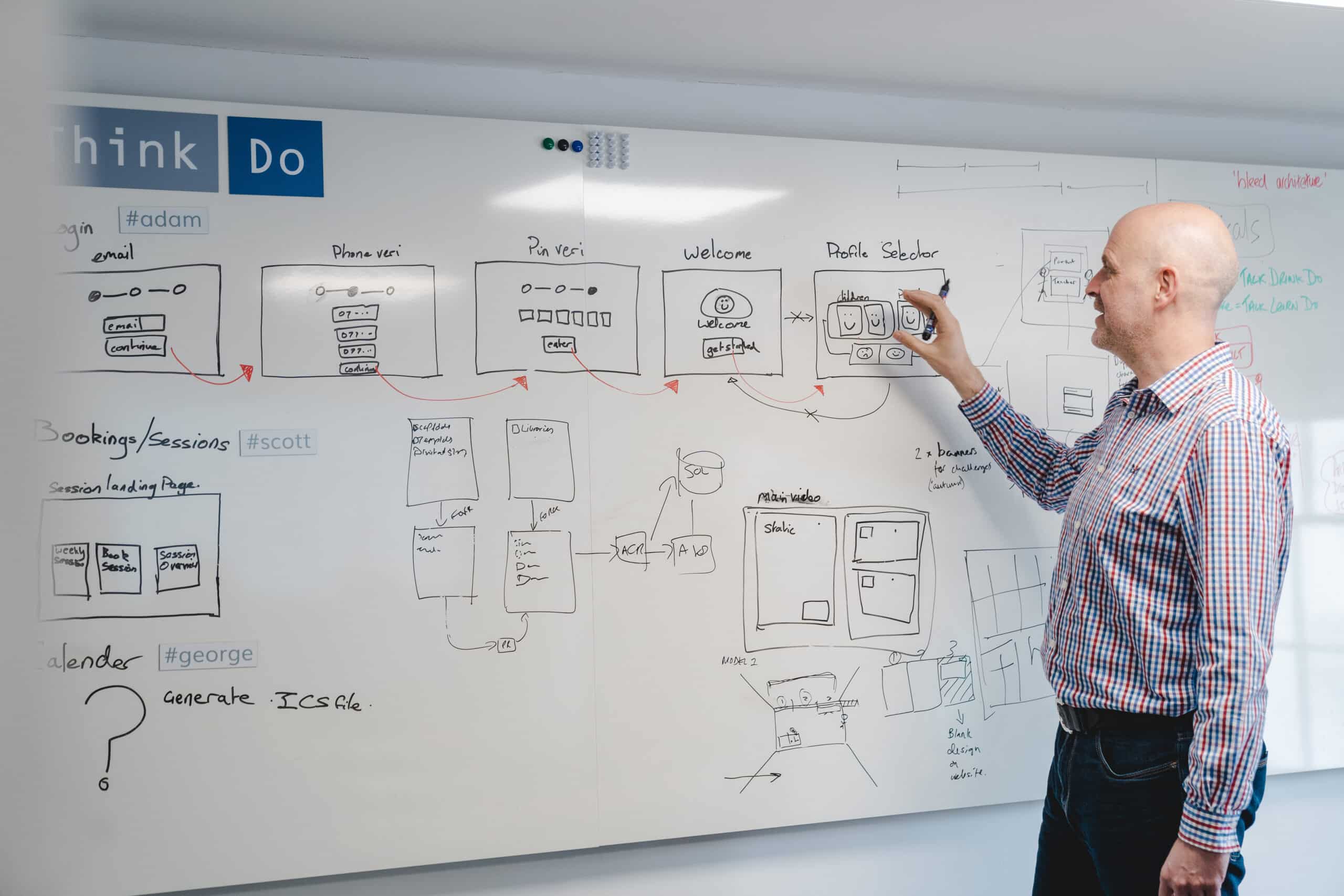
When clients partner with us, they often expect engineers and designers. But one of the most powerful roles behind a successful digital product is often less visible: the Business Analyst (BA).
At Talk Think Do, BAs aren’t just requirement-gatherers. We’re connectors, between vision and execution, users and features, partners and platforms. In the recent delivery of a bespoke member experience platform for Third Space, our ways of working helped turn complexity into clarity.
Together with the Delivery Manager, we’re often the face of the project, representing the team day to day and helping shape how the work unfolds in practice.
Here’s how.
We Coordinate and Clarify, Especially Across Partners
In a project with multiple moving parts, across in-house teams and external UX and brand partners, alignment isn’t a given. It’s built.
Our role was to create that alignment.
We led detailed walkthroughs of partner proposals, highlighting overlaps and friction points early. We challenged ambiguity. When deliverables from different teams didn’t quite meet in the middle, we bridged the gap, reviewing designs from Plug & Play and Without, suggesting adjustments that matched user expectations and technical feasibility.
We Translate Feedback into Action
Feedback can easily slow things down, unless someone takes ownership of interpreting it and moving it forward.
When feedback came in from client leads, instructors, or product owners, we analysed it at source. Was it a usability pain point? A training issue? A misalignment in expectations? Then we translated that into tangible next steps: user story updates, backlog grooming, design tweaks, or product decisions.
Our job wasn’t just to document feedback, it was to move the project forward through it.
We Add Value, Not Just Tickets
We proposed new features or flows when we spotted an opportunity to simplify, speed up, or strengthen the experience. We regularly brainstormed improvements or spotted quick wins – always running suggestions past the client team for input or validation.
We Prototype, Interrogate, and Challenge
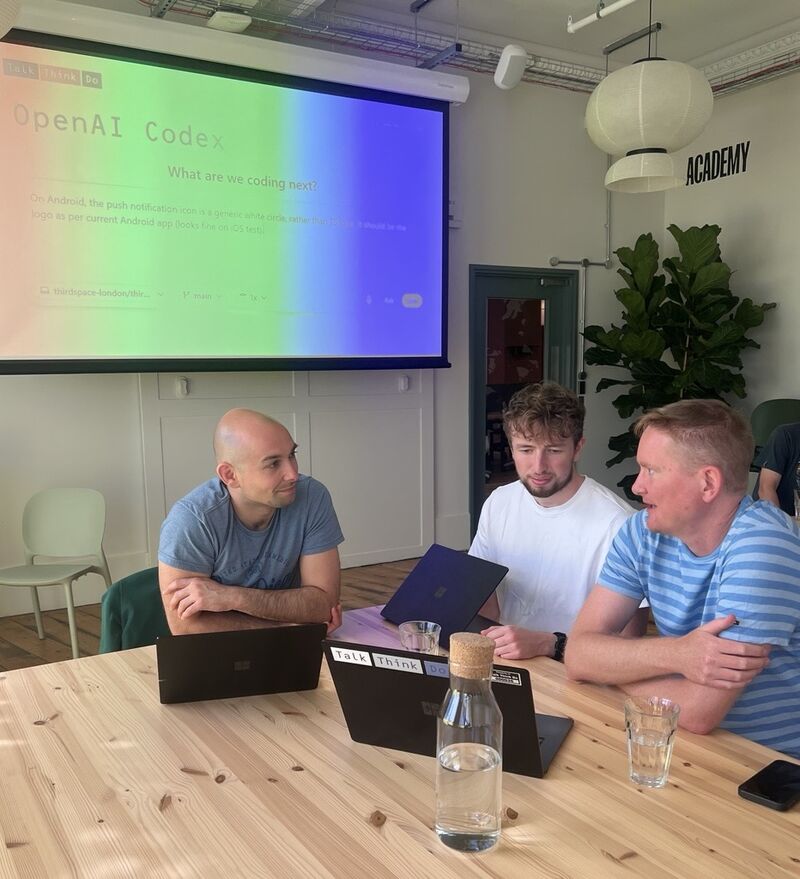
We created quick prototypes using the latest AI tools, to bring early concepts to life and walk stakeholders through them for early feedback. This gave everyone a shared reference point and helped clarify assumptions fast.
We also used AI to expedite analysis, reducing the load on developers and helping us produce more concise, targeted requirements.
And we didn’t just take UX and design outputs at face value. With our knowledge of the business, we challenged and refined ideas to better align with how the client operates in practice.
We Build Trust With In-House Teams
We worked closely with Third Space’s internal team, often meeting multiple times a week to support their sign-off process. We understood it was more efficient to walk through requirements in real time rather than ask them to read and review documentation in isolation.
We put time into building rapport, understanding their goals, and earning trust. That meant better communication, quicker decisions, and a stronger shared outcome.
We Protect the Vision While Staying Practical
Finally, we never forget that we’re here to help the client succeed.
That means adapting how we work: jumping into daily standups, running quick-fire mapping workshops, or slowing down to dig into a particularly messy piece of legacy logic. It also means defending the user experience, ensuring the end product doesn’t just work, but works well.
Our role is about making sure the right work gets done in the right way, with clarity, momentum, and shared understanding throughout.
Ready to Work Together?
If you’re planning a digital product and need a team that joins the dots, not just builds the system, we’d love to talk.
Get access to our monthly
roundup of news and insights
You can unsubscribe from these communications at any time. For more information on how to unsubscribe, our privacy practices, and how we are committed to protecting and respecting your privacy, please review our Privacy Policy.
See our Latest Insights
Shipping AI in the Real World: Lessons From Our Latest Cycle
AI moves pretty fast. If you don't stop and look around once in a while, you could miss it. Recognising this, we have been running a structured approach to AI adoption for production systems. A critical element is ensuring we keep up with the latest approaches while retaining safety, responsibility and avoiding inefficiencies cause by...

Implementing RAG AI Search on On-Premise Files with our AI Search Accelerator
As demand for AI‑powered tools like Microsoft Copilot grows, many organisations are asking the same question: “How can we harness the power of generative AI without moving our sensitive data to the cloud?” In this guide, we’ll explain why Retrieval‑Augmented Generation (RAG) is so effective for on‑premise data and walk through a practical approach using…

Using AI to Strengthen ISO 27001 Compliance
Preparing for our ISO 27001:2022 recertification, and a transition from the 2013 standard, was no small task. As a custom software company handling sensitive client data, we hold ourselves to high standards around security and compliance. But this year, we approached the challenge differently. We built and deployed a custom AI Copilot agent to help…
Legacy systems are costing your business growth.
Get your free guide to adopting cloud software to drive business growth.